In air cargo, growth is not driven by branding alone. It is driven by infrastructure, speed, trust, and the ability to solve real operating problems for carriers, freight forwarders, and shippers. That is where Chicago Rockford International Airport (RFD) has carved out its place in the air cargo industry. Zachary D. Oakley tells us more.
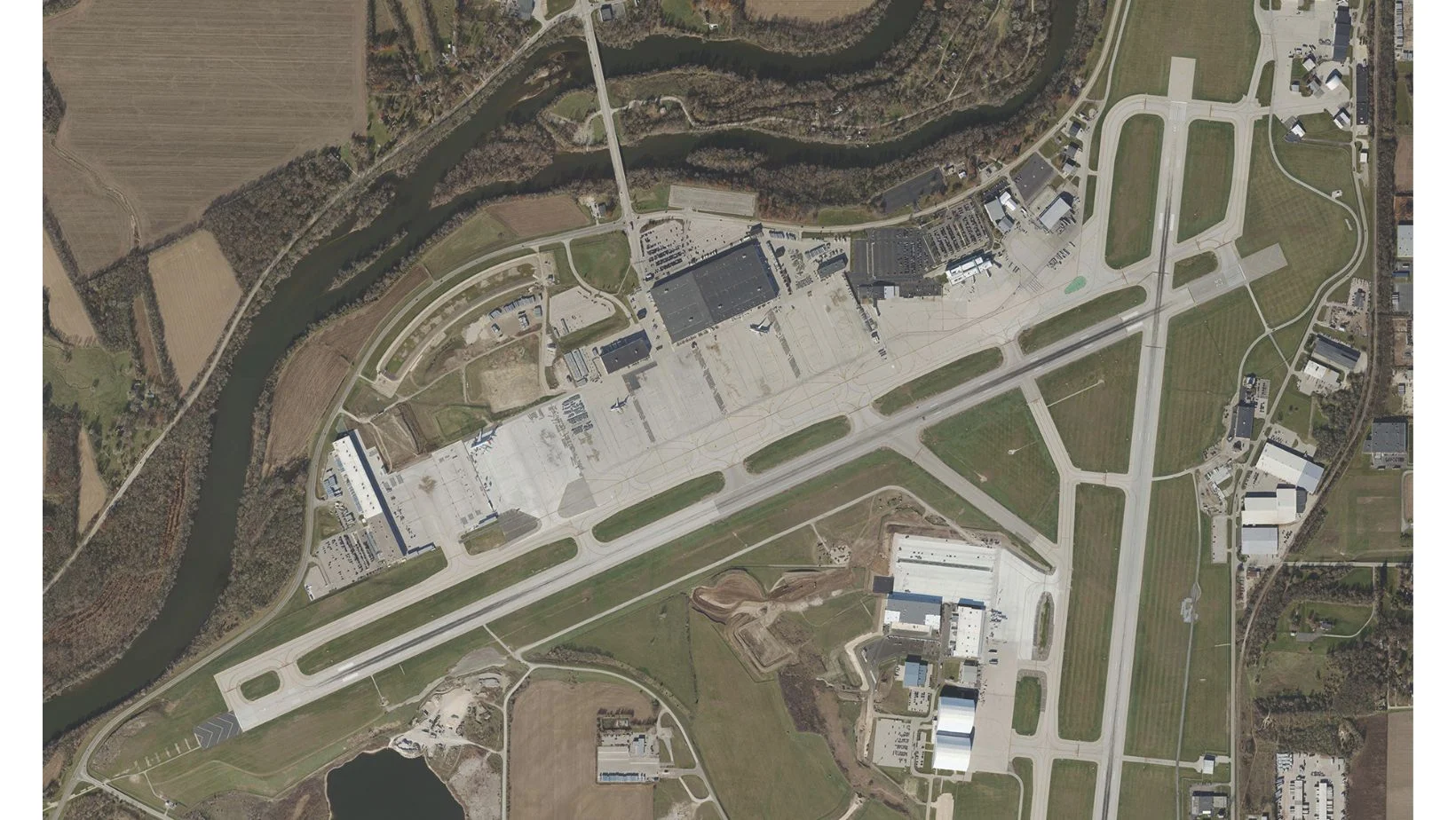
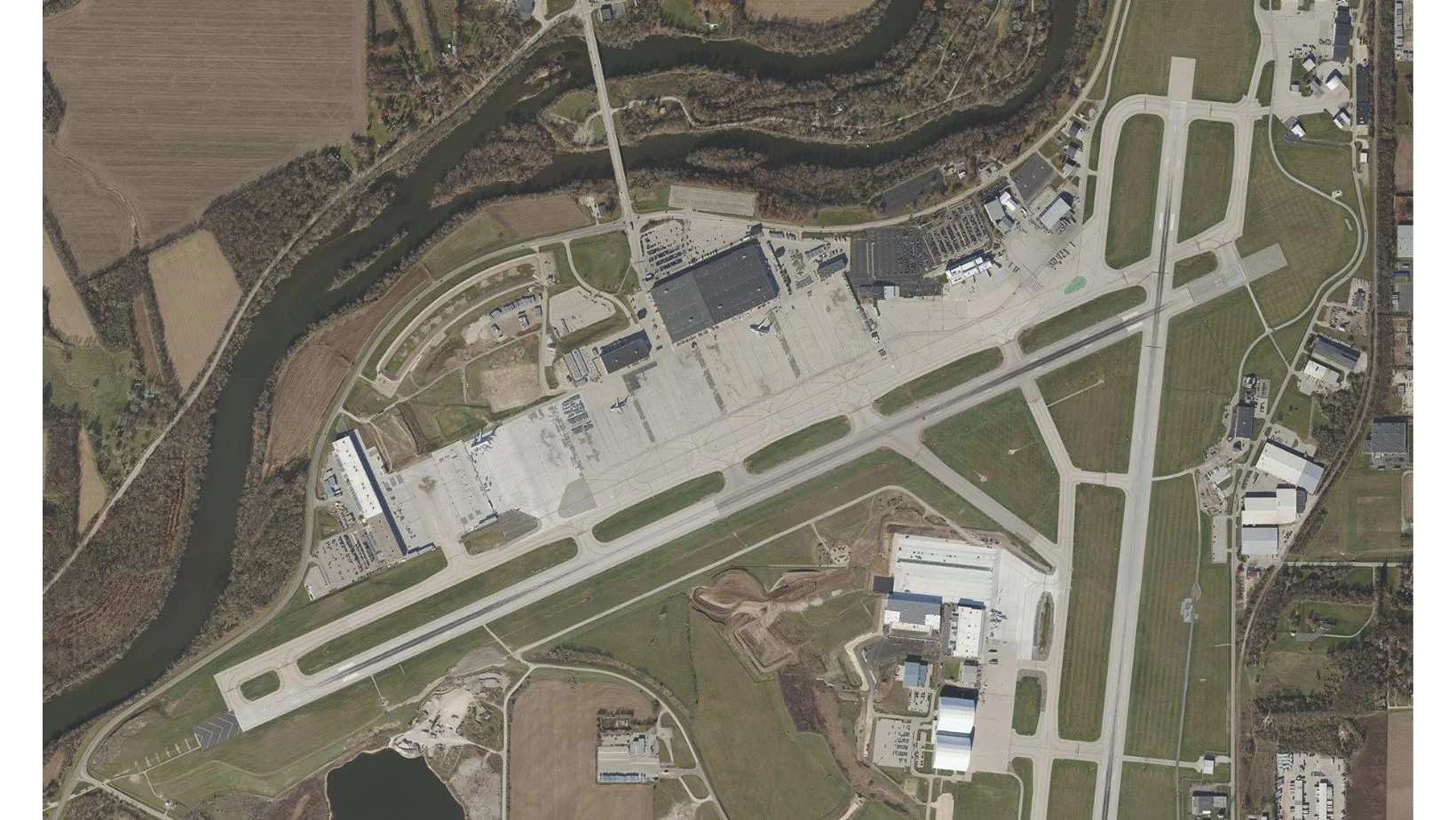
Located in northern Illinois, 68 miles northwest of Chicago, RFD has become one of the most important cargo platforms in the Midwest because it offers the qualities the market continues to value, including room to move, room to grow, and the ability to operate without the congestion that slows larger systems.
Spread across more than 3,000 acres, RFD is home to the second-largest UPS hub in North America, a major Amazon Air operation, an on-airport aviation maintenance repair facility capable of servicing next-generation aircraft, and Rock Valley College’s aviation maintenance training programme, which helps build the workforce this industry will need moving forward.
That foundation produces measurable results. In 2025, RFD handled 3.4 billion pounds of landed cargo weight, up 9.25% over the prior year. It was the airport’s strongest cargo year outside the pandemic-era peak and came within one cargo aircraft landing of breaking its record.
Those numbers matter, but they are really the result of something bigger, namely a long-term strategy centred on operational performance, global partnerships, and disciplined investment in cargo infrastructure.
Strong international partnerships
Cargo growth today is not just about geography. It is about relevance. Airports that want to grow must be aligned with the trade lanes, commodities, and shipper demands that are shaping the market in real time. At RFD, that work has been deliberate.
In 2024, we launched a GDP-certified pharmaceutical trade lane from India, an important step in positioning RFD for more life sciences and high-value cargo. That same year, we expanded our international reach through a partnership with Glasgow Prestwick Airport (PIK) to support cargo activity between the US and Scotland.
In 2025, we added another milestone through a sister airport agreement with Liege Airport in Belgium to strengthen connectivity, grow trade, and share logistics innovation.
These partnerships are not symbolic. They are tied directly to how cargo moves and what customers need. That is especially true in pharmaceutical logistics, where product integrity, compliance, and speed are non-negotiable. Shippers in this space do not need more complexity. They need reduced risk. At RFD, the value is straightforward, with less congestion, fewer unnecessary handoffs, and an operating model that supports controlled, efficient cargo movement from aircraft to truck to warehouse.
This article continues after the below picture…
That same logic is why partners such as Maersk Air Cargo see Rockford as a compelling US gateway. Proximity to major markets matter. Avoiding the friction that often comes with operating in a larger hub matters just as much.
For carriers, efficiency is not just a selling point. It directly affects margins, reliability, and overall network performance. RFD’s international strategy is built around that reality.
Cargo handling capacity
Today, the airport can process 600,000 tonnes of cargo and can add another 220,000 tonnes without building additional facilities or altering existing ones. At full build-out, total capacity can easily exceed 1 million tonnes.
Just as important, RFD has environmentally cleared land available for future development, including enough approved space for roughly 100,000 sqm of warehouse development and 16 widebody aircraft parking positions.
That matters because the industry is still dealing with increased demand and constant pressure to move faster without adding unnecessary costs. Airports that can offer ready infrastructure and predictable operations will continue to win.
RFD’s handling model also gives operators a practical edge on the ramp. The airport has reported more than a 70% reduction in cost per rotation, supported in part by the way international freight is handled.
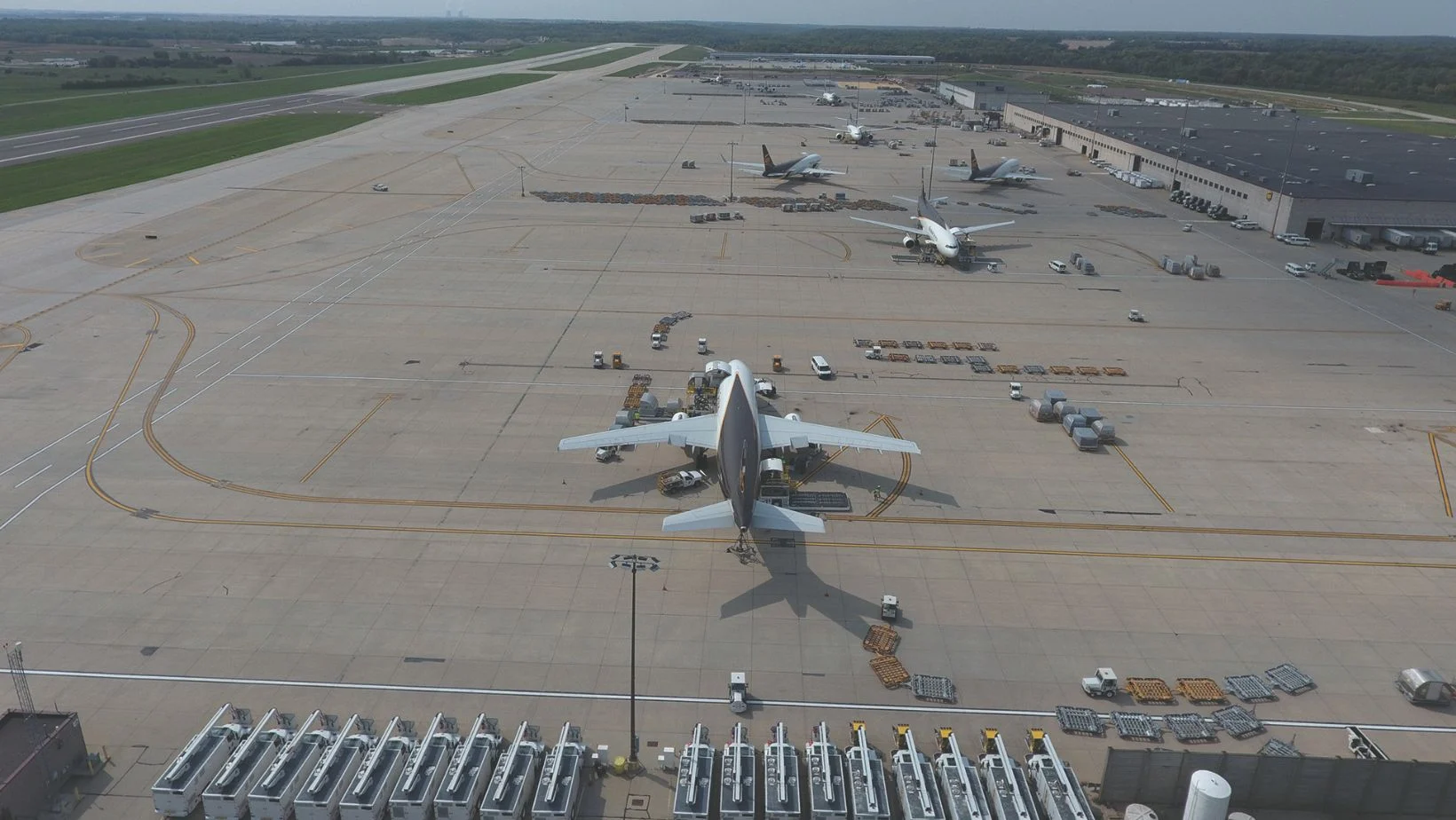
Rather than relying entirely on the traditional unload-to-dollies-and-tow model, RFD leverages transporter operations that allow cargo to move under its own power. That process reduces handoffs, cuts ramp congestion, and helps keep freight flowing.
The same advantage shows up in aircraft turns. At RFD, wheels down to engines off is typically about five minutes. With minimal congestion in the air and on the ground, the landing-to-takeoff cycle can save roughly 50 minutes per rotation. In a business where time compounds across fleets and schedules, that is not a minor gain. It is a competitive advantage.
The physical airfield supports that performance. With runways measuring 10,000 ft and 8,200 ft, RFD can accommodate any aircraft operating today. Combined with its on-campus maintenance capabilities, that gives the airport a deeper operating profile than many people expect. This is not simply a place where cargo lands. It is a place where cargo networks can scale.
Connectivity
Cargo operators do not think in terms of a single node. They think in terms of the full journey. That is why connectivity remains one of the most important parts of RFD’s value proposition.
Rockford sits in a strong position for domestic distribution, with a one-day truck drive reaching major US markets and overnight connectivity opening access across the country. That gives carriers and shippers the ability to blend air and truck in a way that supports both speed and cost control.
This article continues after the below picture…
It also makes the airport particularly attractive for operators looking to serve the Chicago region and broader Midwest without taking on the delays and inefficiencies often associated with more crowded gateways.
Looking ahead, RFD also sees opportunity for deeper multimodal integration, including the potential to connect more directly with the Rochelle Transload Center. That kind of linkage matters because the next phase of cargo growth will not be won by isolated infrastructure. It will be won by systems that connect modes, compress timelines, and give customers more flexibility when networks tighten.
Today, connectivity also includes visibility. Customers increasingly expect better tracking, faster decision-making, and stronger transparency across the cargo chain. At RFD, technology is helping close those gaps. Advanced cargo management platforms are improving visibility from arrival to handoff, while operators such as Amazon are using Bluetooth-based tracking across cargo areas to monitor equipment and shipments in real time. Those are not flashy add-ons. They are practical tools that reduce surprises and improve control.
Sustainability
Sustainability in air cargo has moved beyond aspiration. Customers, carriers, and airport operators are under growing pressure to make progress in ways that are practical, measurable, and scalable.
At RFD, the approach is grounded in operations. World Fuel Services has made sustainable aviation fuel (SAF) available at the airport for airlines that need it.
While that matters, sustainability at a cargo airport is not only about future fuel supply. It is also about how efficiently the airport functions today. Congestion has an emissions cost. Delays have an emissions cost. Long taxi times, ramp bottlenecks, and trucks waiting in line all add waste into the system.
One of RFD’s clearest environmental advantages is that it avoids much of that friction. Aircraft move from touchdown to engines off quickly. Trucks are not stuck in long airport queues. Cargo moves through a less-congested system with less idle time built in.
That does not solve every challenge facing the sector, but it does reflect a broader truth about where the industry is headed.
The cargo market is demanding more on every front, including greater speed, stronger compliance, better visibility, more resilience, and a more credible sustainability strategy. Airports that can meet only one or two of those needs will be limited. Airports that can deliver across all of them will be best positioned to lead.
That is the opportunity in front of RFD.
Our view of the future is clear. We intend to keep growing with purpose. That means continuing to strengthen international partnerships, expanding the infrastructure needed to support higher volumes, improving multimodal connectivity, and investing in the technologies and sustainability solutions that customers increasingly expect.
It also means staying disciplined in how we respond to the market. Cargo conditions will continue to shift. Trade lanes will evolve. Customer expectations will rise. The right response is not to chase every headline. It is to keep building an airport that performs when performance matters most.
That is what RFD has done, and it is what will continue to define our role in the cargo market into the future.
The post RFD: Built for what cargo needs now appeared first on Aviation Business News.
Leave a Reply